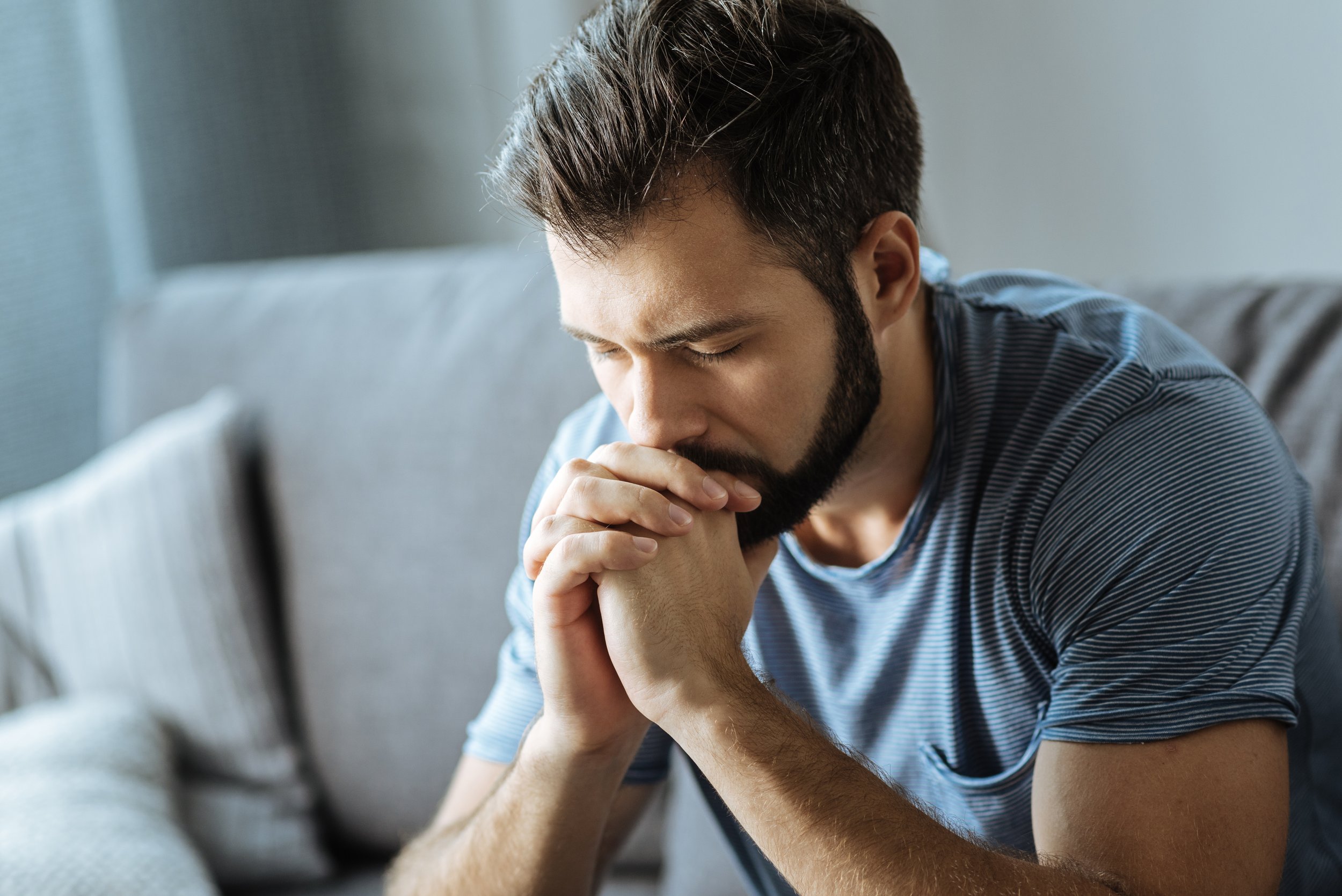
It’s no secret that conversations about mental health can be sensitive for many people, but they can be especially difficult for men. While it has become more normalized for women to discuss their feelings and emotions, have books and podcasts dedicated to mental health, and be encouraged to speak up when things feel overwhelming (or even before they do), the same support is not always extended to men. In honor of Men’s Mental Health Awareness Month, now is a good time to explore why that is.
Men and women can develop many of the same mental health conditions, but they often experience symptoms differently. Additionally, society frequently expects them to cope with those symptoms in very different ways. For example, when women experience anger, irritability, mood changes, appetite changes, or substance misuse, they are often encouraged to reach out to friends, family members, or healthcare professionals for support. A simple Google search yields hundreds of books, podcasts, and opportunities for individual or group therapy. But when you add “for men” to the search, the list becomes significantly smaller.
That needs to change.
While men and women may differ physically, mentally, and emotionally, the basic things needed to live a healthy, productive, and fulfilling life are often the same:
A healthy diet and regular exercise
Supportive relationships with friends and family
Medical or mental health support when needed
Unfortunately, women are often encouraged to seek help, while men are still expected — or even told — to “man up,” “tough it out,” or “just suck it up.” Not only is this emotionally harmful, but it also perpetuates the stigma surrounding men’s mental health. It’s time to recognize what stress and burnout can look like in men, encourage healthy coping skills, and normalize seeking support and therapy.
When Stress Is Looked at Differently
Stress can manifest in men in a number of ways, including:
Misuse of alcohol or drugs
Persistent sadness, hopelessness, or depression
Difficulty sleeping
Aches, headaches, or digestive problems
Thoughts or behaviors that interfere with work, family, or social life
While these symptoms can sometimes seem like a normal part of life, they can worsen if left unaddressed. Emotions that are never expressed, substance misuse, and ignored medical symptoms can leave a person vulnerable to greater emotional and physical harm. That’s why recognizing these warning signs is an important first step.
Normalizing Healthy Coping Skills for Women and Men
There are many healthy ways individuals can cope with stress and burnout, but societal expectations often differ by gender. Women are generally encouraged to take breaks, talk to someone, or seek medical support. Men, however, are more often portrayed as unwinding with alcohol after a stressful day or using avoidant behaviors such as “zoning out” in front of the TV, excessive gaming, or even isolation from family and friends.
The Centers for Disease Control and Prevention recommends several healthy coping strategies for anyone experiencing stress, including:
Taking care of your body through healthy eating and exercise
Connecting with others through friendships, support groups, or therapy
Spending time outdoors or staying physically active
Keeping a journal
Limiting or abstaining from alcohol
Even choosing one or two of these habits can make a meaningful difference in how men cope with the stress of everyday life.
Support and Therapy Make a Difference
The value of counseling and therapy for men is becoming more recognized, but stigma still prevents many from seeking help. Facing emotions directly and understanding how the mind and body respond to stress and triggers can play a major role in improving well-being and quality of life.
By talking openly about stress and burnout in men, identifying healthy coping skills, and sharing resources such as therapy, counseling, and support groups, we can better support the mental and emotional health of our communities. The more we talk about mental health, the more we help normalize the benefits of seeking support.
Part of Elevate’s mission is to provide support to individuals and families affected by alcohol and other drug abuse and mental illness. Whether you need a support group to help you cope with a loved one’s addiction or assistance during a mental health crisis, help is available. Visit www.elevateyou.org or call 262-677-2216.